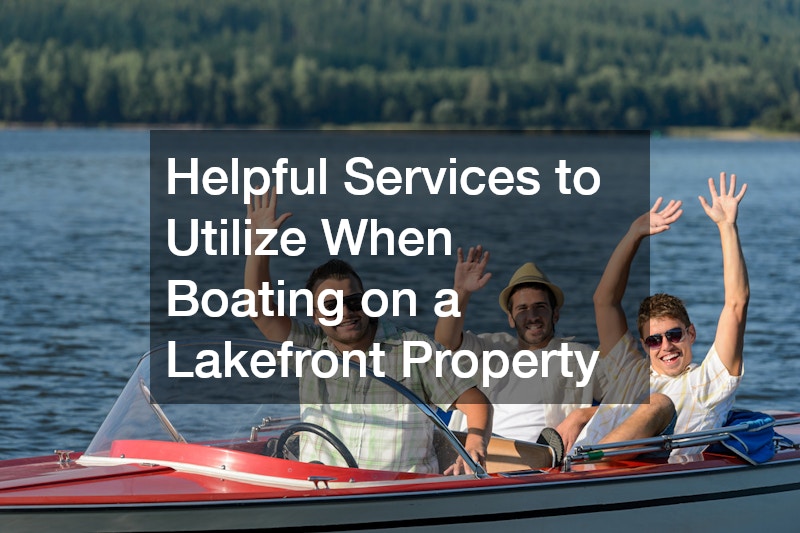
Boating is not just a hobby; it’s a lifestyle that requires dedication and knowledge. Whether you’re a seasoned mariner or a weekend enthusiast, understanding the nuances of boat maintenance, storage, and accessories can greatly enhance your boating experience. This guide delves into various aspects of boating, offering you actionable tips and insights to make the most out of your time on the water.
Choosing the Right Place to Store Your Boat
Proper boat storage is essential for protecting your vessel from environmental damage and preserving its value over time. The right storage solution depends heavily on your local climate, seasonal weather patterns, and how frequently you use your boat. In regions with harsh winters or intense sun exposure, long-term protection becomes even more important to prevent structural and cosmetic deterioration.
Indoor storage facilities offer the highest level of protection. By shielding boats from rain, UV rays, snow, and temperature fluctuations, they significantly reduce wear on the hull, upholstery, and mechanical components. However, this level of protection typically comes at a higher cost due to limited availability and increased facility maintenance. Outdoor storage is a more budget-friendly alternative, but it requires proactive protection strategies. High-quality boat covers, shrink-wrapping, and UV-resistant tarps are essential to minimize exposure to sun, moisture, and debris. Without these precautions, prolonged outdoor storage can lead to fading, corrosion, and material degradation.
Security is another critical factor when choosing a storage solution. Facilities with gated access, surveillance cameras, and on-site personnel offer greater peace of mind by reducing the risk of theft or vandalism. It’s also important to evaluate proximity to waterways, as convenient access can significantly improve usability during boating season. Finally, insurance coverage should not be overlooked. Different storage environments may affect insurance requirements and premiums, so it is essential to confirm that your policy adequately covers storage-related risks such as weather damage, fire, or theft.
Customizing Your Boat’s Furniture
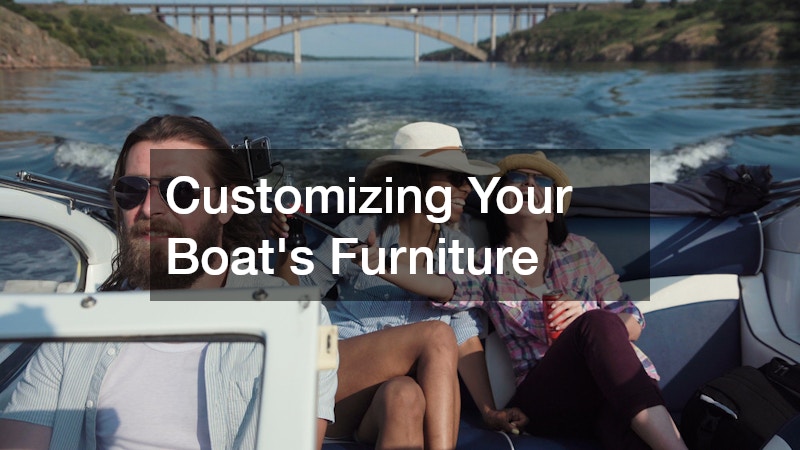
Marine furniture plays a far greater role than simple aesthetics—it directly influences onboard comfort, safety, and functionality. Because boats operate in highly demanding environments, furniture must be specifically designed to withstand constant exposure to sun, saltwater, and humidity.
High-quality materials are essential for durability. UV-stabilized fabrics prevent fading and cracking caused by prolonged sun exposure, while rust-resistant metals such as stainless steel or marine-grade aluminum protect structural components from corrosion. These materials significantly extend the lifespan of seating and storage solutions. Space efficiency is another key consideration in marine environments where every inch matters. Multifunctional furniture—such as storage benches, convertible seating, and foldable tables—helps maximize usable space without adding unnecessary weight or clutter. This not only improves comfort but also enhances vessel performance by maintaining balance and reducing excess load.
Ergonomics is equally important, especially for longer trips on the water. Well-designed seating supports posture, reduces fatigue, and improves overall passenger comfort in rough or uneven conditions. Adjustable features and padded support can make extended time onboard significantly more enjoyable. Ease of maintenance should also guide furniture selection. Materials that resist mildew, salt buildup, and staining reduce cleaning time and ensure long-term hygiene. This is especially important in marine environments where moisture and organic buildup can develop quickly.
Maintaining a Boat Lift
Boat lifts are essential for protecting vessels from prolonged water exposure, but they require consistent maintenance to remain safe and functional. Over time, exposure to moisture, weight stress, and environmental conditions can lead to mechanical wear if not properly addressed. Cables are among the most critical components to monitor. Since they bear the full weight of the boat, they are prone to fraying, corrosion, and tension fatigue. Regular inspection ensures early detection of weak points, preventing sudden failure that could damage the vessel or lift system. Lubrication of moving parts is equally important. Proper lubrication reduces friction, prevents rust formation, and ensures smooth operation of gears, pulleys, and hinges. Without it, mechanical resistance increases, leading to premature wear and reduced efficiency.
Electrical systems should also be inspected regularly. Wiring, switches, and control panels must remain free from corrosion and water damage. Faulty electrical components can lead to operational failure or safety hazards, making routine checks essential. Proper weight distribution and balancing of the lift help prevent uneven stress on structural components. Misalignment can shorten the lifespan of the system and increase repair costs over time.
Following the manufacturer’s boat lift maintenance guidelines is essential not only for performance but also for warranty compliance. Keeping detailed maintenance records can also be valuable when selling the equipment, as it demonstrates responsible ownership and care. In emergencies, having access to local repair services ensures minimal downtime and continued functionality.
Navigating the Rental Boat Market
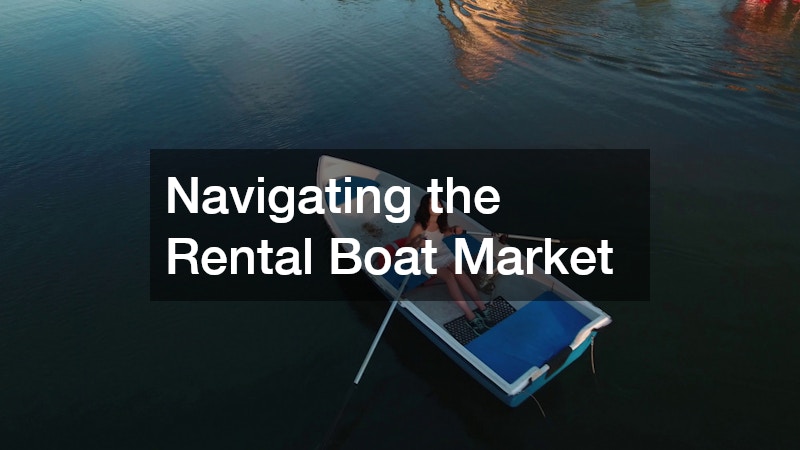
Boat rentals offer an accessible way to enjoy time on the water without the financial and maintenance responsibilities of ownership. However, choosing the right rental requires careful consideration of safety, condition, and suitability for your intended activity. Before accepting a rental, it is important to inspect the vessel thoroughly. This includes checking the hull, engine condition, safety equipment, and onboard systems. Documenting any pre-existing damage helps prevent disputes or liability for issues you did not cause.
Understanding the rental agreement is equally important. Contracts often include rules regarding usage limits, fuel responsibility, restricted areas, and insurance coverage. Clarifying these details in advance helps avoid unexpected costs or penalties. Safety equipment should always be reviewed before departure. Life jackets, fire extinguishers, first aid kits, and communication devices must be present and in good condition. Ensuring compliance with local maritime regulations is not only a legal requirement but also a critical safety measure. Choosing the right type of boat depends on your planned activities. Fishing, water sports, and leisure cruising each require different vessel features, so selecting appropriately ensures a better experience. Comparing pricing structures and customer reviews can also help identify reputable rental providers that offer good value and reliable service.
Knowing if a Potoon Boat Is Right for You
Pontoon boat sales have gained increasing popularity due to their versatility, stability, and family-friendly design. Their flat, spacious decks make them ideal for a wide range of activities, from fishing and swimming to social gatherings and leisure cruising. Market trends show a growing demand for enhanced comfort features such as premium seating, integrated sound systems, and shaded canopy structures. Buyers are also increasingly interested in fuel-efficient and environmentally conscious engine options that reduce long-term operating costs. When purchasing a pontoon boat, it is important to evaluate practical needs such as passenger capacity, storage space, and engine performance. Larger engines provide more speed and towing capability, while smaller configurations offer better fuel efficiency and easier handling.
Technological advancements are also shaping purchasing decisions. Modern pontoons often include smart navigation systems, improved safety features, and eco-friendly propulsion technologies. These innovations make boating more accessible and efficient than ever before. Consulting experienced boat owners and engaging with boating communities can provide valuable insights into long-term performance and maintenance expectations. Purchasing from reputable dealers ensures access to warranties, service support, and quality assurance, all of which contribute to a more reliable ownership experience.
Considering Aluminum Docks
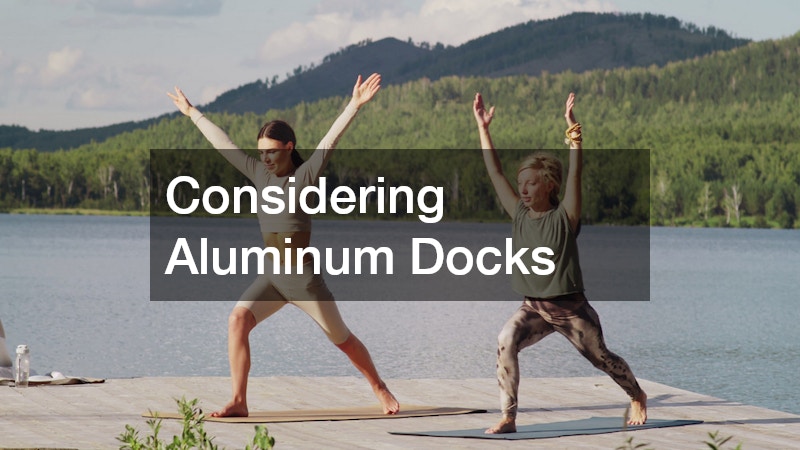
Aluminum docks and gangways are widely favored in modern waterfront construction due to their durability, lightweight structure, and corrosion resistance. Unlike traditional materials such as wood, aluminum does not rot, warp, or rust, making it ideal for both freshwater and saltwater environments. Their modular design allows for flexible customization. Dock systems can be expanded, reconfigured, or relocated with relative ease, making them suitable for evolving waterfront needs. This adaptability is particularly valuable for residential marinas and commercial waterfront facilities. Aesthetic customization options, such as railings, decking materials, and lighting integration, allow property owners to enhance both functionality and visual appeal. This combination of utility and design contributes to a more enjoyable waterfront experience.
Aluminum is also highly sustainable due to its recyclability. At the end of its lifecycle, it can be repurposed without significant loss of quality, reducing environmental impact. Maintenance is minimal, typically requiring only periodic cleaning to remove algae or debris buildup. For added protection and longevity, professional treatments such as waterproof coatings or anti-slip surfacing can be applied. These enhancements improve safety while ensuring long-term performance in high-traffic areas.
Waterproofing Your Boat and Home
Waterproofing services are essential for protecting marine vessels and waterfront structures from long-term water damage. Constant exposure to moisture, salt, and temperature changes can weaken materials over time, making protective coatings a critical investment. Different waterproofing solutions are available depending on the surface type. Fiberglass, wood, and metal each require specific treatments to ensure effective sealing and durability. Professional evaluation ensures that the correct products and application methods are used. Routine waterproofing helps prevent issues such as water intrusion, corrosion, mold growth, and structural weakening. These problems can be costly to repair if left untreated, making preventative care far more economical in the long run.
Waterproofing is not limited to boats alone—it is equally important for docks, gangways, and shoreline structures. Regular application of protective coatings enhances resistance to saltwater erosion and environmental wear. By extending the lifespan of marine assets, waterproofing contributes to long-term sustainability and reduces the need for frequent replacements or repairs, ultimately preserving both structural integrity and financial investment.
Handling Emergency Water Repairs
Emergency water repairs are critical in preventing minor marine issues from escalating into serious damage. Whether caused by leaks, mechanical failure, or storm-related incidents, rapid response is essential to maintaining safety and vessel integrity. Having access to reliable emergency repair services ensures that problems are addressed quickly, minimizing downtime and preventing further deterioration. This is particularly important in situations where water ingress or structural damage threatens seaworthiness. Preventive maintenance significantly reduces the likelihood of emergencies, but unexpected issues can still occur. Keeping onboard emergency kits—such as pumps, sealants, and repair patches—can provide temporary solutions until professional help arrives.
Establishing relationships with trusted marine technicians ensures faster response times and more reliable service. Technicians familiar with your vessel can diagnose issues more efficiently and perform targeted repairs. Ultimately, having a known source of local emergency water repairs not only protects the vessel but also reduces long-term repair costs and enhances overall safety during marine operations.
Seeking Expert Landscaping Advice
Landscape designers play a valuable role in enhancing waterfront environments by blending natural beauty with functional outdoor design. Their expertise helps transform docks, marinas, and shoreline areas into visually appealing and usable spaces. By selecting native plants and environmentally appropriate materials, designers create sustainable landscapes that thrive in local conditions while requiring minimal maintenance. This approach supports ecological balance and reduces long-term upkeep costs.
Designers also collaborate with hardscape professionals to integrate pathways, seating areas, lighting, and decorative structures that enhance usability and accessibility. These elements improve both aesthetic appeal and practical functionality. Creative design features such as water elements, ambient lighting, and natural shading can significantly enhance the atmosphere of waterfront spaces. This not only increases property value but also improves user experience for residents and visitors.
Incorporating Hardscaping Into Your Dock and Yard
Hardscape companies specialize in constructing durable, functional outdoor structures that complement marine environments. Their work focuses on integrating materials such as stone, concrete, and composite products to create long-lasting installations. In dock design, hardscape elements provide stability, safety, and visual cohesion. Walkways, retaining walls, seating areas, and access points are carefully engineered to withstand environmental exposure and heavy use. Collaboration with landscape designers ensures that hardscape features blend seamlessly with natural surroundings. This integrated approach creates waterfront spaces that are both practical and visually appealing.
Modern hardscape solutions often incorporate sustainable materials and low-maintenance designs, reducing environmental impact and long-term upkeep requirements. These innovations support both functionality and ecological responsibility. Ultimately, hardscape companies contribute to the creation of well-balanced marine environments that combine durability, safety, and aesthetic value, enhancing the overall waterfront experience.
Whether you are enhancing an existing boating setup or building your marine lifestyle from the ground up, understanding the full scope of boating infrastructure is essential for long-term success and enjoyment on the water. From storage and maintenance to equipment selection, rentals, and waterfront design, each element plays a role in shaping a safe, efficient, and rewarding boating experience.
Careful planning is the foundation of reliable marine operations. Making informed decisions about boat storage, protective materials, dock systems, and maintenance schedules helps prevent costly damage and ensures that your vessel remains in optimal condition year-round. When these decisions are made proactively rather than reactively, boat owners benefit from improved performance, reduced repair costs, and greater peace of mind. Boating is most enjoyable when supported by strong infrastructure and informed decision-making. With the right knowledge, preparation, and support systems in place, you can confidently navigate both calm waters and challenges alike. This guide is intended to equip you with a clearer understanding of these essentials, helping you make smarter choices and fully enjoy the time you spend on the water.