
A small drip under the sink or a slow-draining tub rarely feels like an emergency, but plumbing systems tend to send warning signals long before they fail completely. Catching these signs early can mean the difference between a quick fix and a costly disaster that floods your home or disrupts your water and sewer service. This guide walks through the most telling symptoms of a plumbing system on the verge of trouble, so you know exactly what to watch for and when to start the search for plumbing companies.
Discolored Water Coming From Your Faucets
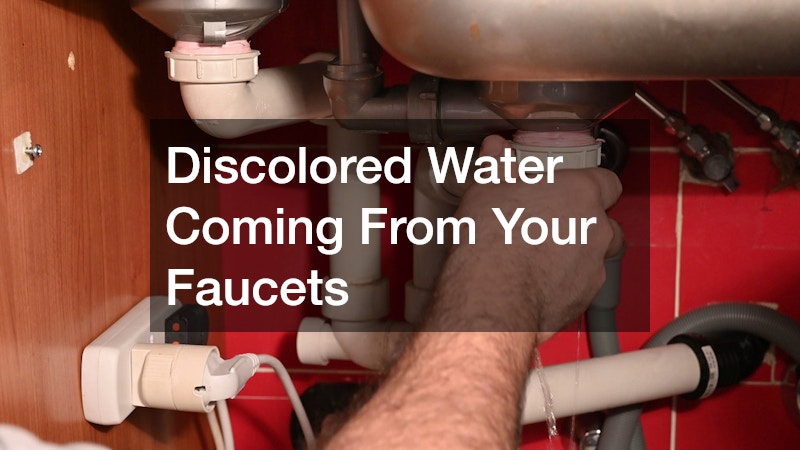
Water that turns brown, yellow, or rusty right after you turn on the tap is often a sign that pipes are corroding internally. This is especially common in homes with galvanized steel pipes that are decades old, since rust builds up inside the pipe walls and eventually flakes into your water supply. If the discoloration only happens with hot water, the problem may actually be inside your water heater tank rather than the pipes themselves.
Ignoring this sign can lead to pinhole leaks that appear seemingly overnight, since corrosion weakens pipe walls from the inside out. A qualified plumbing contractor can run a simple water test and inspect exposed piping to determine whether the issue is isolated or systemic. Waiting too long often turns a manageable repair into a full repiping project.
- Brown or orange water usually points to iron corrosion in older pipes
- Blue-green staining near fixtures can indicate copper pipe corrosion
- Cloudy water that clears after running may just be trapped air, not a real problem
- Persistent discoloration after flushing lines for several minutes needs professional evaluation
Water Pressure That Keeps Dropping
A steady decline in water pressure throughout the house is rarely random. It often points to mineral buildup narrowing your pipes, a hidden leak diverting water before it reaches your fixtures, or a failing pressure regulator. If only one fixture is affected, the clog is likely local, but house-wide pressure loss usually signals a bigger issue in the main line.
Sudden pressure drops paired with unusually high water bills are a strong indicator of a leak somewhere in the system, possibly underground. This is one of the situations where a sewer line repair service or main line specialist becomes necessary, since leaks in buried piping are not visible and require specialized detection equipment. Addressing this quickly prevents foundation damage and wasted water.
- Check pressure at multiple fixtures to isolate whether the problem is localized or whole-house
- Look at your water meter when everything is off to detect hidden leaks
- Note whether pressure loss correlates with running the washing machine or dishwasher
- Sudden, dramatic drops warrant same-day attention
Slow or Gurgling Drains Throughout the House
A single slow drain is usually a localized clog, but when multiple drains gurgle or empty sluggishly at the same time, it typically means there is a blockage deeper in your main line. Gurgling sounds happen because trapped air is being forced back up through the pipes as water struggles to pass a clog. This pattern often gets worse gradually before it results in a complete backup.
When standard plunging and store-bought drain cleaners no longer help, it may be time to consider a professional drain jetting service, which uses high-pressure water to clear grease, roots, and debris from the interior of pipes far more thoroughly than chemical treatments. This method is especially effective for older homes with buildup that has accumulated over many years. Regular jetting can also serve as preventive maintenance for homes prone to recurring clogs.
- Gurgling in multiple fixtures at once suggests a shared line problem
- Slow drainage after heavy rain can indicate tree root intrusion into sewer lines
- Foul odors combined with slow drains often mean organic buildup
- Repeated clogs in the same spot signal a structural issue, not just debris
Sewage Odors Inside or Outside the Home
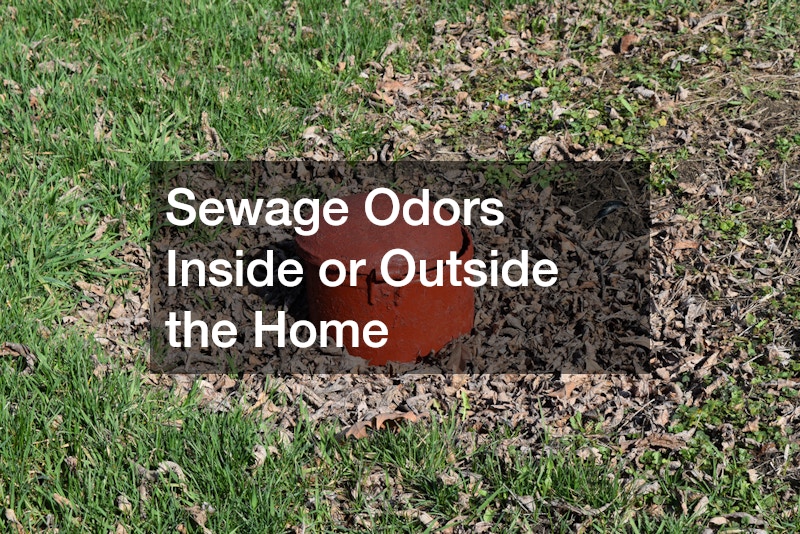
A persistent sewage smell, whether it lingers near a drain or wafts through your yard, is one of the more serious warning signs your plumbing can give you. It often means a vent pipe is blocked, a trap has dried out, or there is a crack somewhere in your sewer line allowing gas to escape. This is not a cosmetic issue, since sewer gas can pose real health risks with prolonged exposure.
Outdoor odors near your yard, especially paired with unusually green or soggy patches of grass, frequently point to a failing septic system rather than a municipal sewer connection. If you rely on a septic tank, scheduling a septic service to inspect the tank and drain field can prevent a much larger environmental and financial mess. Septic systems typically need pumping every three to five years depending on household size.
- Soggy or unusually green patches in the yard can indicate a leaking septic tank
- A rotten egg smell indoors often traces back to a dry P-trap
- Gurgling toilets paired with odor suggest venting problems
- Frequent backups despite pumping may mean the drain field has failed
Visible Corrosion or Mineral Buildup on Pipes
Take a look at any exposed pipes under sinks, in the basement, or in a crawl space. Flaky white or greenish crust, rust-colored stains, or a swollen, warped appearance on the pipe surface are all signs that the material is breaking down. This kind of visible deterioration usually means the pipe has been slowly failing for a long time before any leak becomes obvious.
The color of the buildup can actually tell you something about what’s going wrong. White or chalky deposits typically point to hard water leaving mineral scale behind, which gradually narrows the pipe and restricts water flow. Greenish-blue crust is a telltale sign of corroding copper, while dark orange or reddish-brown stains usually mean iron or steel pipes are rusting from the inside out.
Pay close attention to joints, fittings, and valves as well, since these connection points tend to corrode faster than straight sections of pipe. A bulging or flaking area around a joint is often where the first pinhole leak will appear. If you notice the pipe has changed shape at all — even slightly — that’s a stronger warning sign than surface discoloration alone, since it suggests the metal itself is weakening structurally.
If your home’s pipes are more than 20 to 40 years old, depending on the material, this kind of corrosion is worth checking every few months rather than waiting for an annual inspection. Catching it early can mean the difference between a simple pipe replacement and a burst pipe that floods a finished basement or damages flooring and drywall.
Homeowners often overlook these signs because the pipes are tucked away under sinks, behind walls, or in crawl spaces where they’re easy to forget. But the visual clues are worth learning: greenish-blue stains on copper pipes signal oxidation, white or crusty deposits point to hard water mineral buildup, and flaking, rust-colored patches on galvanized steel indicate the metal itself is breaking down from the inside out.
Scheduling a periodic inspection with local plumbing services can catch this kind of decay early, especially in homes built before the 1970s that may still have original galvanized or lead piping. A qualified technician can also check water pressure and flow rate, since heavy mineral scale can narrow pipe interiors by 25% or more without any obvious leak ever appearing.
Replacing a small section proactively is far cheaper than repairing water damage after a full rupture. A localized pipe repair might run a few hundred dollars, while a burst pipe can easily cause thousands in water damage, mold remediation, and drywall repair. If corrosion shows up in one area, it’s also worth asking your plumber to check nearby fittings and joints, since aging pipe systems tend to fail in clusters rather than isolated spots.
- White, chalky buildup (efflorescence) usually indicates hard water mineral deposits, often calcium or lime scale; it’s most common in areas with hard water and can gradually restrict flow inside the pipe
- Greenish or blue-green stains typically point to copper pipe corrosion, caused by oxidation from acidic water or high humidity; left unchecked, this can eat through pipe walls and cause leaks
- Bulging or warped pipe sections suggest internal pressure damage or heat exposure, and are a sign the pipe could rupture without warning
- Rust flakes or reddish-brown residue near joints often mean the connection is corroding and close to failing, especially in older galvanized steel pipes
- Dark, damp patches or a metallic smell near pipe fittings can signal a slow, hidden leak caused by corrosion at the seams
- Pinhole-sized leaks or dripping at soldered joints usually indicate advanced corrosion has already worn through the metal
A Water Heater That Struggles to Keep Up
If your water heater is producing lukewarm water, taking longer to reheat, or making popping and rumbling noises, sediment buildup inside the tank is often the cause. Over time, minerals settle at the bottom of the tank and insulate the heating element from the water, forcing the unit to work harder and less efficiently. This added strain shortens the lifespan of the appliance considerably.
Rumbling noises paired with inconsistent temperatures are a common reason homeowners search for water heater repair before the unit fails completely. In many cases, flushing the tank and replacing a worn anode rod can extend its life several more years. However, once a tank is leaking or older than twelve years, replacement usually makes more financial sense than continued repair.
- Popping or rumbling sounds usually mean sediment has built up at the tank bottom
- Rusty water from only the hot tap points to internal tank corrosion
- Pilot lights that frequently go out may indicate a venting or gas supply issue
- Puddles at the base of the tank mean the unit is actively leaking and needs prompt attention
Frequent Clogs That Keep Coming Back

Occasional clogs are normal, but drains that clog repeatedly in the same location despite regular cleaning point to a deeper structural problem rather than a simple debris buildup. This pattern is common in homes with aging cast iron pipes, where interior corrosion creates rough surfaces that catch waste and paper. It can also indicate a partial collapse or bellied section of pipe that is trapping material every time water flows through.
When a plumbing repair on the surface level, such as snaking or replacing a section of exposed pipe, doesn’t solve the recurring issue, a video camera inspection is usually the next step. This lets a technician see exactly where the blockage originates and whether the pipe itself needs to be repaired or replaced. Catching this early prevents a full backup that could damage flooring, walls, or personal belongings.
- Repeated clogs in one bathroom but not others suggest a localized pipe issue
- Clogs that follow heavy usage, like laundry day, may point to undersized or damaged pipes
- Camera inspections can pinpoint cracks, root intrusion, or collapsed sections
- Ignoring recurring clogs often leads to complete line blockage over time
Unusual Sounds Coming From Your Pipes
Banging, whistling, or rattling noises when you turn on a faucet or flush a toilet are more than just annoying background noise. Banging, often called water hammer, happens when water flow is abruptly stopped and the resulting pressure wave causes pipes to shift and knock against framing. Left unresolved, this repeated stress can loosen pipe joints and eventually cause leaks at connection points.
Whistling or high-pitched sounds usually mean water is being forced through a narrow opening, which can happen when a valve is only partially open or a fixture is starting to fail. If these sounds are new and you cannot identify an obvious cause, it is worth calling in professional help rather than assuming the noise will resolve on its own. Many homeowners find that searching for a trustworthy local plumber at the first sign of unusual noise saves them from a more expensive repair down the road.
- Banging noises after flushing often mean water hammer from sudden valve closure
- Whistling sounds usually indicate a partially closed or failing valve
- Rattling in walls may mean loose pipe straps or supports
- Noises that occur only with hot water can point to heater or expansion tank issues
Aging Infrastructure and When to Consider a Full Replacement

Every plumbing system has a realistic lifespan, and knowing your home’s age and pipe material helps you anticipate problems before they become emergencies. Homes built with galvanized steel typically face significant corrosion issues after forty to fifty years, while copper piping generally lasts much longer with proper care. If you’re unsure what materials run through your walls, a licensed residential plumbing company can perform an inspection and give you a realistic timeline for repairs versus replacement.
Rather than waiting for a burst pipe to force your hand, many homeowners choose to get ahead of the problem by requesting a whole-house evaluation. Reputable plumbing companies can map out which sections of your system are highest risk and prioritize upgrades in a way that fits your budget. This proactive approach is almost always less disruptive and less expensive than emergency repairs after a failure.
- Galvanized steel pipes over 40 years old are a common source of hidden corrosion
- Polybutylene pipes, common in homes built between the 1970s and 1990s, are prone to sudden failure
- Copper and PEX piping generally offer longer service life with fewer surprises
- A whole-home evaluation can help prioritize which sections need attention first
Plumbing problems rarely appear without warning, but the signs are often subtle enough to ignore until they become expensive emergencies. Paying attention to water color, pressure changes, unusual sounds, and recurring clogs gives you a real chance to intervene early. If you notice any of these warning signs in your own home, don’t wait for a full failure to reach out to a qualified professional who can assess the situation and recommend the right next step.