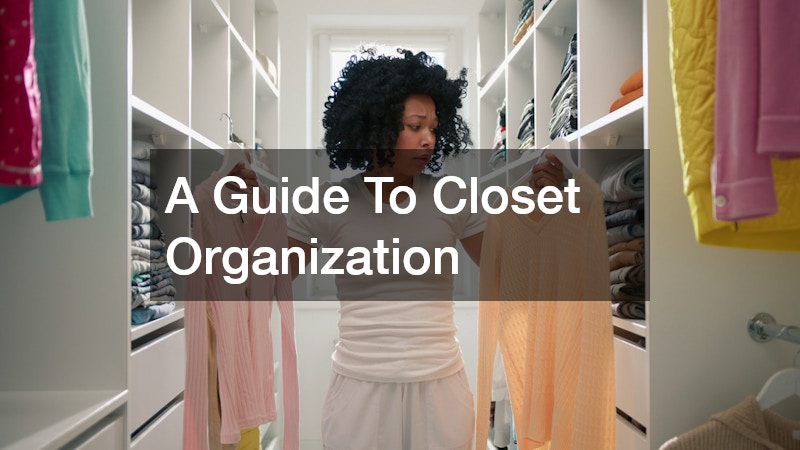
Closet organization can transform your living space, making your daily routine more efficient and your home more visually appealing. This guide will walk you through the steps to create a visually pleasing and practical storage space that caters to your lifestyle.
Understanding Your Closet Needs
Before diving into the physical task of organizing your closet, it’s important to evaluate what your specific needs are. Consider the types of clothing and accessories you own and how frequently you use them.
A thorough assessment of your wardrobe can reveal the primary functional requirements of your closet. Additionally, consider the space limitations and the potential for adjustments or additions in the form of shelves or rods. Understanding these aspects will set the foundation for an efficient closet organization plan.
Understanding your style and habits is also crucial. If you are a frequent shopper or someone who likes to keep up with fashion trends, you may need more space than someone with a minimalist approach to fashion. Closets aren’t just for clothing; they often store shoes, accessories, and even seasonal items. A clear idea of your storage items will lead to better utilization of the available space. Every closet is unique, so tailor your organization strategy according to your personal needs.
Closet organization is not just about creating order; it’s about creating a system that works for you. Customize your closet in a way that caters to your routines and accessibility needs. Beyond just clothing, consider storage for other essentials such as jewelry or accessories. With a tailor-made approach, you won’t just have a clean closet, but one that adds convenience to your lifestyle. The right organization can make a significant difference in how you begin and end your day.
Planning the Layout
Once you know what you need, the next step is planning the layout of your closet. Start by measuring the dimensions to understand exactly how much space you have to work with. Use graph paper to sketch out a plan, marking where hanging rods, shelves, and drawers could go. Consider designated zones for different types of clothing like formal wear, casual outfits, and accessories. A strategic layout will help maximize the storage space and improve functionality.
Devising a functional layout often involves thinking creatively about vertical space. Many people overlook the potential of adding more shelves higher up or lower down. Utilize all available space effectively with stackable storage bins or vacuum-sealed bags for off-season clothing. Hooks and racks on the back of the door can also offer additional hanging spaces for bags or scarves. Proper layout planning ensures that every inch of the closet is used wisely and effectively.
Closet organization extends beyond the interior; how you arrange items is equally crucial. Arrange your clothes by category and color, making it easier to find what you need at a glance. Consider using identical hangers for a streamlined look, which not only improves aesthetic appeal but also optimizes space. Also, maintain flexibility in your plan; as items cycle in and out of your closet, your layout may require small adjustments over time. A well-thought-out layout changes the entire ambiance of your closet.
Choosing the Right Storage Solutions
With the layout in mind, it’s time to select appropriate storage solutions. Investing in quality bins, boxes, and hangers can significantly aid in achieving an organized closet. Many retailers offer customizable closet systems that can be tailored to your specific needs. Opt for clear containers to easily identify stored items and consider labels for added organization. Innovative storage solutions are key to transforming a chaotic closet into a well-arranged space.
Another important aspect is deciding on your shelving and drawer solutions. Adjustable shelving units offer flexibility for future changes while maintaining organization. Specialized drawers or dividers can be utilized for smaller items such as socks, ties, or underwear. Custom shelving can reflect personal style preferences while providing the necessary order. Efficient storage solutions enable seamless storage for both everyday items and lesser-used belongings.
Finally, remember that the best storage solutions are those that cater to your lifestyle and aesthetic preferences. Besides being functional, consider the visual harmony of your storage solutions with the rest of your room. Choose materials or finishes that complement your room’s theme. The psychological effect of a tidy and harmonious closet cannot be underestimated. Good closet organization provides not only practical benefits but elevates the entire room’s ambiance.
Maintaining Your Organized Space
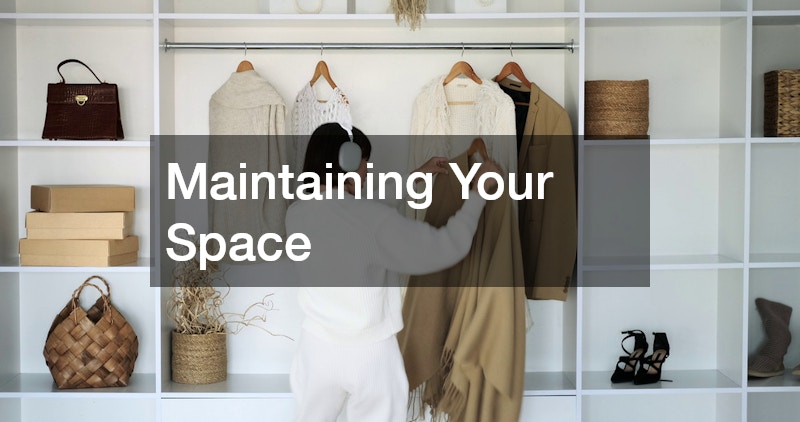
Once your closet is organized, maintaining order is vital to preserve the benefits of closet organization. Make periodic evaluations and decluttering sessions a routine, possibly once every season. Regular maintenance prevents the accumulation of unnecessary items that tend to disrupt the organization. Also, establish a rule to donate or discard an old item every time a new one is brought in. Keeping your closet organized requires consistent effort but pays off with sustained ease and harmony.
A key aspect of maintaining an organized closet is to develop daily habits that support the system you’ve set up. Implementing simple habits like returning items to their designated places can make a substantial long-term difference. Encourage family members or roommates to adhere to the same rules to maintain uniformity. Daily maintenance doesn’t need to be a cumbersome task; a few minutes each day can prevent overwhelming overhauls in the future. A well-maintained closet stands as a testament to effective organization strategies.
Lastly, make an organizational checklist part of your home review schedule. This helps to identify any emerging clutter issues before they become overwhelming. Stay updated with storage solutions as they evolve to continue optimizing your space. Regular reassessment ensures that your closet continues to serve you well over time. Closet organization is an ongoing process that requires a proactive approach to sustaining its benefits.