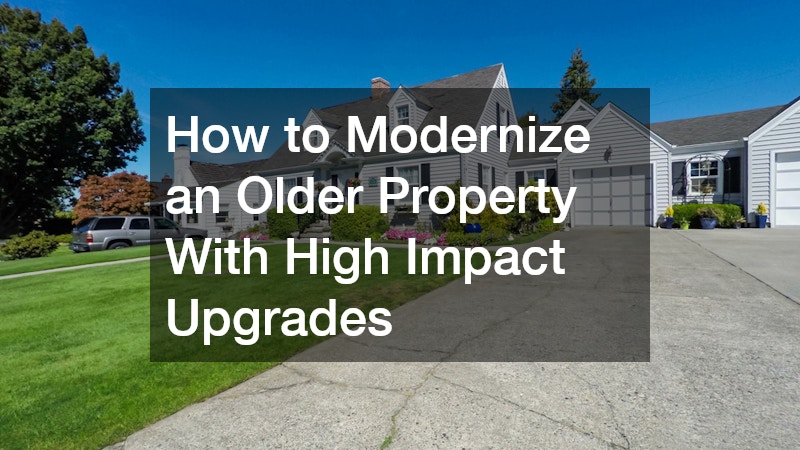
Older homes possess a level of architectural character, historic craftsmanship, and unique charm that modern tract housing simply cannot replicate. From intricate plaster molding and solid hardwood floors to handcrafted porch railings, these properties tell a story. However, beneath that vintage appeal often lies a collection of outdated floor plans, drafty building envelopes, aging electrical networks, and tired cosmetic finishes. Living in a home built several decades ago frequently means dealing with high energy bills, choppy room layouts, and constant fears over system failures during severe weather.
Modernizing an older property isn’t about stripping away its soul or erasing its historic roots. Instead, true modernization is a strategic balancing act: preserving original architectural integrity while integrating state-of-the-art materials, open-concept functionality, and modern energy efficiency. By focusing on targeted, high-impact upgrades, you can transform a dated, drafty house into a light-filled, comfortable, and resilient home built for twenty-first-century living.
To help you navigate this transformation smoothly, this comprehensive guide explores five critical zones of home improvement. From kitchen surfacing and exterior curb appeal to thermal insulation, standby power, and structural remodeling, here is how you can thoughtfully upgrade your older property for maximum comfort and long-term value.
Upgrading Prep Surfaces, Layout Efficiency, and Durable Finishes
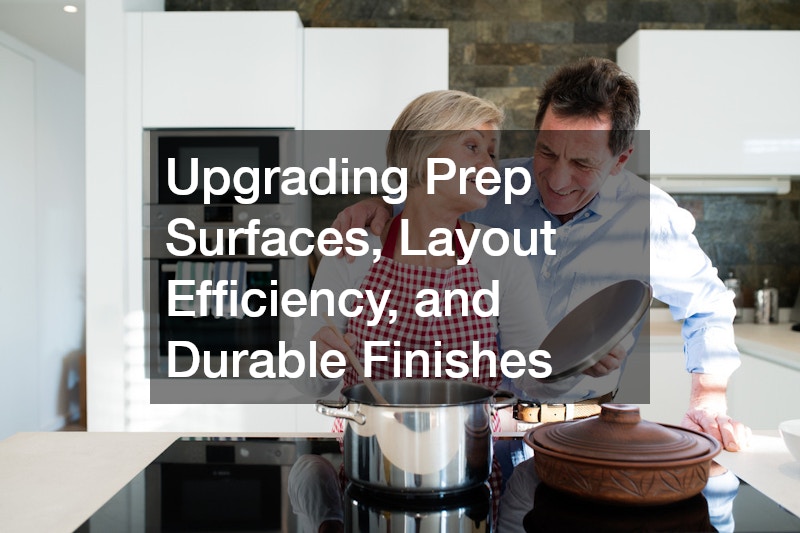
The kitchen is undeniably the heart of the home, but in older properties, it is often where age shows most prominently. Vintage kitchens were frequently designed as closed-off workspaces with limited countertop real estate, dark laminate or easily stained tile surfaces, and minimal natural light. Bringing an older kitchen into the modern era requires a mix of smart spatial planning and high-performance surface materials that bounce light and handle heavy daily use.
When modernizing your kitchen surfaces, selecting a non-porous, highly durable material is essential. Dark, scratched laminate or cracked ceramic tiles immediately age a space and make clean-up difficult. Replacing these surfaces with lighter stone slabs brightens the entire room, making compact historic kitchens feel immediately larger and more open.
Achieving a flawless kitchen surface installation requires precision, particularly in older homes where walls, corners, and original cabinetry are rarely perfectly square. Engaging professional countertop services ensures that custom slabs are accurately templated, laser-cut, and seamlessly fitted around original architectural nooks, uneven walls, or newly added kitchen islands. Professional installers handle heavy materials safely, guaranteeing tight seams and integrated sink cutouts that prevent water damage down the line.
When choosing your new surface material, engineered stone stands out as the premier choice for modernizing historic homes. Installing a premium quartz countertop gives you the timeless beauty of natural marble or granite without any of the high-maintenance drawbacks. Engineered quartz is non-porous, meaning it resists staining from coffee, wine, and oils without requiring annual chemical sealing. It is also exceptionally scratch-resistant and available in a vast array of colors and veining patterns, allowing you to match your home’s historic color palette while gaining modern durability.
Here are key kitchen upgrades to streamline daily functionality:
- Engineered Stone Surfaces: Replaces stained, porous, or damaged laminate with non-porous materials for easy maintenance and a clean, bright look.
- Cabinet Refacing or Repainting: Updates dark, aged wood cabinetry with fresh, neutral paint and modern soft-close hardware without replacing structural boxes.
- Integrated Task Lighting: Adds under-cabinet LED strip lighting to illuminate dark workspaces and highlight backsplash tilework.
- Pull-Out Storage Solutions: Converts deep, awkward lower cabinets into slide-out organizers, pantry drawers, and vertical spice racks.
Refreshing Color Palettes, Siding Protection, and Architectural Trim
First impressions matter, and the exterior of an older property sets the tone for everything inside. Over decades of exposure to sun, rain, and temperature fluctuations, exterior paint fades, peels, and chalks, while original wood siding can become vulnerable to moisture infiltration and rot. A fresh, modern exterior treatment instantly boosts curb appeal while creating a protective shield around your home’s structural frame.
Modernizing your home’s exterior aesthetic starts with choosing an updated color palette. Many older homes are coated in outdated, muddy shades of beige, faded yellow, or muted green. Swapping these out for crisp, contemporary color schemes—such as warm off-white body paint paired with dark charcoal trim, or deep navy blue accented with bright white molding—highlights historic architectural details like gables, window casings, and brackets while making the home feel fresh and current.
Proper surface preparation is the secret to a long-lasting exterior overhaul. Entrusting your home’s exterior to experienced house painters ensures that old, flaking paint is safely scraped, sanded, and primed before any topcoat touches the surface. Professional painters understand how older wood and masonry breathe, selecting vapor-permeable primers and high-durability acrylic paints that flex with seasonal temperature shifts rather than cracking or bubbling.
Furthermore, managing large-scale exterior transformations requires specialized equipment, safety rigging, and systematic application techniques. Hiring a full-service home painting company guarantees that high-elevation gables, intricate roofline trims, window shutters, and entry doors receive uniform, weather-resistant coverage. Professional crews possess the expertise to fix underlying wood rot, seal gaps around window frames with high-grade caulk, and apply protective coatings that resist UV fading and mildew growth for years.
Consider these exterior improvements to elevate curb appeal and weather resistance:
- High-Contrast Trim Painting: Accents architectural woodwork, window frames, and porch columns with bold contrast colors to draw the eye to historic detail.
- Portico and Entryway Refresh: Modernizes the front entry with updated lighting fixtures, contemporary house numbers, and a vibrant accent paint color on the front door.
- Masonry and Brick Restoration: Cleans, repoints, and seals historic brickwork or applies modern breathable mineral paint to transform dated masonry.
- Low-Maintenance Gutter Systems: Installs seamless aluminum gutters with leaf guards to direct water safely away from fresh paint and foundation walls.
Eliminating Drafts, Balancing Indoor Temperatures, and Lowering Utility Bills
While cosmetic updates make an older home look beautiful, thermal upgrades determine how comfortable it actually feels to live inside. Older homes were constructed long before modern building energy codes existed. As a result, they are often notoriously drafty, suffering from severe temperature imbalances where upstairs bedrooms remain stiflingly hot in the summer while ground-floor living areas feel cold and breezy during the winter.
The primary culprit behind this thermal discomfort is a compromised building envelope. Air leaks through uninsulated attic floors, empty exterior wall cavities, drafty floor joists, and unsealed crawlspaces allow conditioned air to constantly escape. This forces your heating and cooling systems to run continuously, driving up utility bills and accelerating HVAC equipment wear.
Addressing these deep-seated thermal efficiency issues requires specialized expertise. Partnering with certified insulation contractors allows you to perform a comprehensive home energy assessment. These specialists use thermal imaging cameras and blower door tests to pinpoint exactly where air leaks are occurring and where existing insulation has settled, degraded, or absorbed moisture over time. They can safely remove hazardous vintage materials like rockwool or cellulose before installing modern thermal barriers.
For maximum energy savings and draft elimination, traditional fiberglass batts often fall short in older, irregularly framed homes. Investing in professional spray foam services creates an impenetrable air and thermal seal. Expanding polyurethane spray foam fills every tiny crack, gap, and irregular framing cavity in attics, rim joists, and crawlspaces. This dual-purpose material acts as both high-R-value insulation and an airtight barrier, stopping thermal transfer cold, preventing moisture condensation, and drastically reducing monthly heating and cooling costs.
Essential insulation and air-sealing steps for older properties include:
- Attic Air Sealing and Insulation: Seals ceiling penetrations around light fixtures and chimneys before building up thermal barriers to stop heat from escaping upward.
- Rim Joist Spray Foam Application: Seals the vulnerable junction where the house frame meets the foundation wall to cut off ground-level drafts.
- Crawlspace Encapsulation: Covers dirt floors with heavy vapor barriers and insulates walls to eliminate dampness, odors, and cold floors above.
- Smart Thermostat Integration: Pairs updated building insulation with programmable, zone-controlled thermostats to optimize climate schedules automatically.
Upgrading Electrical Backbones and Safeguarding Against Outages
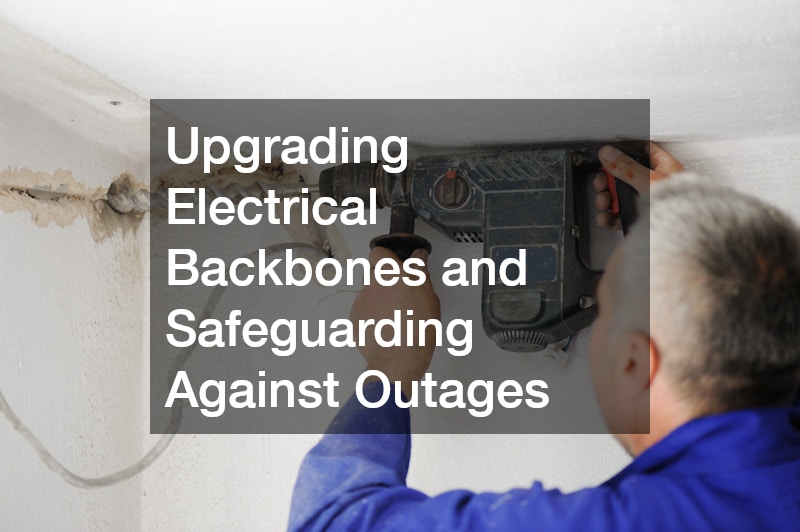
Older homes were designed for an era when a household’s electrical needs were limited to a few lamps, a radio, and a refrigerator. Today, the average home powers multiple computers, large-screen televisions, smart home hubs, modern kitchen appliances, and EV chargers. Outdated electrical panels, low-amperage service lines, and vintage wiring configurations are not only inadequate for modern electrical loads—they can pose serious fire hazards and trip breakers constantly.
Updating your electrical panel from an old 60-amp or 100-amp service to a modern 200-amp service is a fundamental baseline upgrade. This ensures your electrical system can handle heavy appliance loads safely while providing room for future technology expansions. However, modern power reliability goes far beyond basic panel upgrades; it extends to keeping your home fully operational when severe weather disrupts the main power grid.
Protecting your household from grid instability begins with dedicated backup power planning. Scheduling a professional generator installation ensures that a heavy-duty power system is safely integrated into your home’s main electrical infrastructure. Qualified technicians install an automatic transfer switch directly next to your main circuit panel. This safety mechanism isolates your home from the utility grid during a blackout, instantly transferring critical electrical circuits to backup power without risking back-feed hazards for utility line workers.
For seamless, hands-free protection during grid failures, a standby whole-home generator offers the ultimate peace of mind. Fuelled by your property’s existing natural gas or liquid propane supply, these units monitor power lines 24/7. The moment utility power drops, the generator starts automatically within seconds, restoring power to your HVAC system, refrigeration, security networks, medical devices, and lighting. Unlike small portable units, a standby system requires no manual setup, extension cords, or gasoline refueling in the dark.
Here are key electrical and backup power upgrades to consider:
- 200-Amp Electrical Panel Upgrade: Replaces outdated fuse boxes or low-capacity panels to handle modern appliance loads safely.
- Automatic Standby Generators: Delivers instant, whole-house emergency power during severe storms without manual intervention.
- Whole-Home Surge Protection: Installs protective devices at the main panel to shield sensitive electronics from voltage spikes.
- Updated Outlet Networks: Replaces two-prong ungrounded outlets with modern GFCI and USB-integrated receptacles throughout kitchens and baths.
Protecting the Building Envelope and Reimagining Floor Plans
To complete the modernization of an older property, you must address two overarching structural elements: the layout inside and the protective roof overhead. Older properties were traditionally compartmentalized into small, closed-off rooms separated by thick plaster walls and narrow doorways. Modern living, by contrast, thrives on open, connected spaces where kitchen, dining, and living areas flow naturally together.
Reimagining an older floor plan requires careful structural planning. Working alongside experienced home remodelers allows you to safely evaluate which interior partitions are load-bearing and which can be removed. Skilled remodeling teams can install hidden structural steel or laminated beams to span wide distances, opening up dark floor plans to create sprawling, light-filled spaces while maintaining the structural integrity of the upper floors and roof frame.
While opening up interior floor plans enhances daily lifestyle quality, protecting that new investment requires a strong, watertight roof overhead. An aging, leaking roof can quietly cause thousands of dollars in water damage to newly finished plaster, insulation, and custom cabinetry below. Inspecting older roofs for missing shingles, deteriorating valley flashing, and sagging decking is a critical priority.
When it comes to replacing or repairing your roof system, working with a licensed, insured roofer is non-negotiable. A professional roofing contractor evaluates ventilation requirements, installs modern synthetic underlayments, and applies high-wind architectural shingles or durable standing-seam metal roofing. Proper roof installation ensures rainwater sheds quickly, ice dams are prevented, and your modern interior living space remains completely protected from the elements for decades to come.
Key structural and layout enhancements for older properties include:
- Open-Concept Wall Removal: Replaces restrictive interior non-load-bearing walls with support beams to connect kitchen, dining, and living zones.
- Architectural Roof Replacement: Installs high-durability roofing materials complete with ridge vents and ice/water shields for maximum storm defense.
- Subfloor and Hardwood Restoration: Levels uneven historic subfloors and installs continuous engineered hardwood or luxury vinyl plank across opened spaces.
- Window and Door Framing Expansion: Enlarges small historic window openings to accommodate larger, energy-efficient modern glass units that flood rooms with natural light.
Final Thoughts
Modernizing an older property is one of the most fulfilling projects a homeowner can undertake. By honoring the original craftsmanship and architectural character of your home while making smart, high-impact functional updates, you create a living space that offers the best of both worlds: timeless charm paired with modern luxury, efficiency, and peace of mind.
Success lies in prioritizing structural, thermal, and electrical reliability alongside beautiful cosmetic finishes. By investing in durable surfaces, energy-efficient building envelopes, reliable backup power, and sound structural improvements, you ensure your updated home is as safe, comfortable, and efficient as it is beautiful. Take a methodical approach, work with skilled professionals, and enjoy the process of bringing your historic property confidently into the modern era.